US Supreme Court Rulings Increase Risk for TPS Holders and Asylum Seekers
The US Supreme Court has handed down two major immigration rulings that could expose hundreds of thousands of people to removal from the US and limit access to asylum at the US-Mexico border.
For help and expert advice on US immigration, contact us on +44 (0)333 414 9244 or reach out to us online today.
Read our 1983 reviews
We have helped over 25,000 people get their visas approved the first time
Complete the form below to request a call back

New Rulings Cause Concerns
Finding in favour of the Trump administration, the US Supreme Court has issued two significant immigration decisions allowing officials to end Temporary Protected Status (TPS) for large groups of migrants and to turn away certain asylum seekers before they enter the US.
The rulings, both decided by a 6-3 majority, have caused concern among immigration advocates, legal commentators and affected communities. It is expected the decision could have immediate consequences for Haitian and Syrian nationals currently living lawfully in the US under TPS. In addition, it will also impact how people seeking asylum may access protection at the border.
What Did the Supreme Court Decide?
In the first case, the Court allowed the administration to proceed with terminating TPS for nationals of Haiti and Syria. TPS is a humanitarian protection that permits people from specific countries to live and work in the US if conditions in their country of origin make return unsafe. This is often due to including ongoing armed conflict or natural disasters.
Reports indicate that the decision directly affects approximately 350,000 Haitian nationals and several thousand Syrian nationals who had been protected from deportation. The wider concern is that the ruling may make it easier for the Department of Homeland Security to end TPS designations for other countries in future.
In the second case, the Court endorsed the government’s ability to prevent some asylum seekers from physically entering the US at land ports of entry. The decision turns on the interpretation of when a person has “arrived in” the US for the purposes of asylum law.
Why are TPS Holders at Risk?
TPS does not provide a direct route to permanent residence. Instead, it offers temporary protection from removal and permission to work while the designation remains in force. However, many TPS holders have lived in the US for years and built new lives with families, jobs, and local communities.
The end of TPS could put individuals in a precarious position, particularly where their country of origin remains unsafe. Haiti and Syria continue to face serious security and humanitarian concerns, meaning that removal could place some individuals at risk of violence, instability or lack of access to basic support.
Immigration advocates have argued that the ruling limits judicial oversight of how TPS terminations are made. Critics say this may reduce the ability of affected communities to challenge decisions where there are concerns that the government has not properly considered country conditions or procedural requirements.
How Could the Asylum Ruling Change Border Access?
The asylum ruling could allow border officials to turn people away before they enter the US. This is significant because US immigration law has traditionally allowed people who arrive in the United States, including at ports of entry, to seek asylum if they fear persecution in their home country.
Supporters of the ruling argue that the government must be able to manage border capacity and entry procedures. However, opponents believe preventing people from reaching a port of entry could undermine access to protection and increase the risk that vulnerable people are returned to danger without an adequate assessment of their claims.
What Does This Mean for Migrants and Families?
For affected TPS holders, the rulings may create urgent legal uncertainty. Individuals may need to review whether they have any alternative immigration options, such as family-based applications, employment-based routes, asylum, withholding of removal, protection under the Convention Against Torture, or other forms of relief depending on their circumstances.
For asylum seekers, the judgment may make the process of accessing protection more difficult, particularly for those attempting to approach a land border port of entry. The practical effect will depend on how the administration implements the ruling and whether further legal or political challenges follow.
Could There be Further Legal or Political Developments?
Further developments are likely. Congress could legislate to restore or expand protections for certain groups, although the political prospects of such action remain uncertain. Advocacy groups may also continue to challenge individual removals or government policies where they believe rights have been breached.
The rulings also sit within a wider pattern of recent US immigration litigation, including disputes about executive power, asylum access, humanitarian protection and the extent to which courts can review immigration decisions made by government agencies.
How Can IAS Help?
If you are affected by a change in immigration status, asylum access or removal risk, it is important to seek legal advice as early as possible. Immigration rules and protection routes can be complex, and the right option will depend on your nationality, immigration history, family circumstances and any risks you may face on return.
IAS provides immigration advice for individuals, families and businesses across a range of UK, US and global immigration matters. Our advisers can help you understand your options, prepare applications and respond to urgent immigration issues.
We also offer comprehensive webinars to help across a range of immigration related issues and topics.
Contact us at +44 (0)333 414 9244 or online to find out more.
Table of Contents
Table of Contents will appear here.
Legal Disclaimer
The information provided is for general informational purposes only and does not constitute legal advice. While we make every effort to ensure accuracy, the law may change, and the information may not reflect the most current legal developments. No warranty is given regarding the accuracy or completeness of the information, and we do not accept liability in such cases. We recommend consulting with a qualified lawyer at Immigration Advice Service before making any decisions based on the content provided.
Services we Provide




Related Posts
US October 2026 Visa Bulletin: What Nigerian Green Card Applicants Should Know
Last modified on October 14, 2026 at 5:06 pm

UK Introduces New Immigration Rules: What Nigerians Need to Know
Last modified on October 14, 2026 at 5:05 pm

How to Avoid PERM Suspension Like Microsoft: HR Compliance Checklist
Last modified on October 13, 2026 at 7:57 am

Your Rights While in UK Immigration Detention
Last modified on October 8, 2026 at 5:25 pm

Temporary Protection Transition Scheme Ireland
Last modified on October 6, 2026 at 2:14 pm

New Passport Rule for UK-Ireland Travel on Ferries
Last modified on October 5, 2026 at 4:22 pm

Belgium: Flanders Introduces €180 Single Permit Fee
Last modified on September 17, 2026 at 3:37 pm
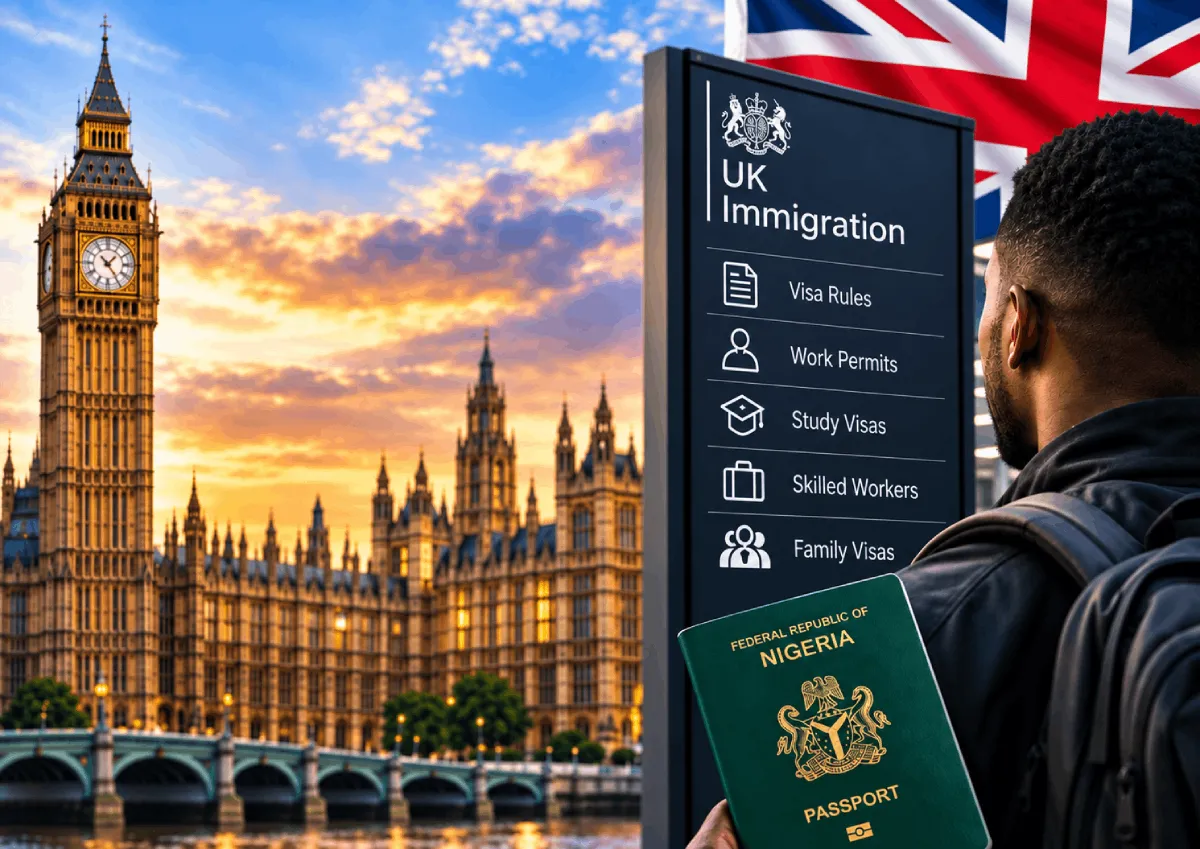
The UK Is Tightening Its Immigration Rules — What Nigerians Need to Know Before 2027
Last modified on September 18, 2026 at 10:29 am

France Tuition Fees 2026–2027: What Non-EU Students Need to Know
Last modified on September 17, 2026 at 3:27 pm