British Citizenship by Descent: Are You Eligible Through a Parent or Grandparent?
British citizenship by descent is a form of British nationality defined under Section 14(1) of the British Nationality Act 1981, which covers persons who acquire citizenship through a British parent rather than through birth in the UK.
Find out more about citizenship by descent and whether you could be eligible. Call today to speak with our team on +44 (0)333 414 9244. or use our live chat service.
Call us on +44 (0)333 414 9244 for immediate help and assistance
We have helped over 25,000 people get their visas approved the first time
Complete the form below to request a call back

Benefits of Choosing IAS for Your Citizenship Application
IAS is the ideal choice for your UK citizenship application. Whether you are registering as a citizen by birth, marriage, naturalisation, or ancestry, we can help you.
Our expert, capable lawyers can help address a wide range of issues and concerns, helping to make the process of applying for citizenship simple and hassle-free.
At IAS, we are committed to offering the highest-quality level of service available in the law sector. When getting in touch with us for help, you will:

Get expert, success-oriented assistance for all steps in the citizenship process.

Be fully prepped on all Home Office-required documents and evidence you will need to submit.

Receive regular check-ins from your personal immigration lawyer throughout the entire process.

Enjoy continued support beyond your citizenship application, such as if your family members also decide to apply.
Services we Provide




What Is British Citizenship by Descent — and Does It Mean You Are Already British?
According to British nationality law, all UK citizens are either citizens by descent or British citizens otherwise than by descent. Citizens otherwise than by descent include those who are British citizens by birth, registration, naturalisation or adoption.
British citizenship by descent is when someone who was born overseas is able to apply for British citizenship based on either their parents or grandparents status as British citizens.
British citizens by descent are not subject to immigration restrictions and the rights as any other British citizens such as the right to a UK passport and the right to vote in elections. However, citizens by descent are not able to pass on their British citizenship to their children who were born outside the UK whilst citizen otherwise by than by descent are able to.
Who Is Eligible for British Citizenship by Descent? (Automatic Rights and Registration Routes)
British citizenship by descent is normally automatically passed down by one generation to children born outside of the UK. So, if you were born outside of the UK but one of your parents was a British citizen at the time of your birth then you may automatically acquire British citizenship by descent.
Your parent can automatically pass on their citizenship if they were either born or adopted in the UK, obtained citizenship after applying for it in their own right, or was working as a Crown servant at the time of your Birth.
You will not qualify for automatic citizenship by descent if your British parent obtained their own citizenship by descent — unless that parent was serving in qualifying Crown service (employment by the UK government or a designated international organisation) at the time of your birth, in which case you may still be automatically British.
Whether you are an automatic citizen by descent also varies depending on when you were born and your parents’ immigration status at the time. If you were born outside the UK on or after 1st July 2006 then you will automatically have citizenship by descent as long as either one of your parents was a British citizen otherwise than by descent at the time of your birth.
If you were born outside of the UK between 1983 and June 2006 then you are also an automatic citizen by descent if your mother or father was a British citizen otherwise than by descent at the time of your birth, however they must have been married at the time if your father has British citizenship but your mother didn’t.
If you were born outside the UK before 1983 then you will only be an automatic citizen by descent if your father was British and was also a citizen of the UK and Colonies, married to your mother and therefore able to pass on his citizenship to you.
British Citizenship by Descent Eligibility by Date of Birth: Pre-1983, 1983–2006, and Post-2006
If you do not have an automatic right to British citizenship then there are some circumstances in which you may be eligible to register as a British citizen by descent instead.
If You Were Born Before 1983: Father’s Line, Mother’s Line, and the UKM Registration Route
You could be eligible to register as a citizen by descent if either your parents were not married at the time of your birth or if your mother was British rather than your father. To be eligible to register your mother or father must have been a citizen of the United Kingdom and Colonies at the time of your Birth and they must have citizenship otherwise than by descent unless they were working as a Crown servant when you were born.
If You Were Born Between 1983 and 30 June 2006: Automatic Citizenship and Registration Options
You can register for citizenship by descent if your father was not married to your mother when you were born. To be eligible your father also must have been a British citizen otherwise than by descent or working as a Crown servant when you were born.
If You Were Born on or After 1 July 2006: Eligibility Conditions and Special Circumstances
You could still qualify to register as a British citizen if either you have lived in the UK with your parents, your British parent lived in the UK before your birth or if you were adopted outside of the UK.
British Citizenship by Descent Eligibility Table: Quick Reference by Birth Date and Location
| Place of Birth | Date of Birth | Eligibility |
| Inside the UK | Born on or after 1 January 1983 | May be eligible for citizenship if you’re under 18 and one of your parents became a British citizen or got permission to stay in the UK permanently since birth. |
| May be eligible for citizenship you lived in the UK until you were 10 or older. | ||
| Automatically a British citizen if you were born when one of your parents was a British citizen or ‘settled’ in the UK. | ||
| Born before 1 January 1983 | Automatically a British citizen unless father was a diplomat working for a non-UK country or your father was ‘an enemy alien in occupation’ and you were born in the Channel Islands during World War II. | |
| Outside the UK | Born on or after 1 July 2006 | Automatically a British citizen if your mother or father was a British citizen when you were born and your British parent could pass on their citizenship to you. |
| May be a citizen in certain situations, such as if you’ve lived in the UK with your parents, your British parent lived in the UK before you were born or you were adopted. | ||
| Born between 1 January 1983 and 30 June 2006 | Automatically a British citizen if your mother or father was a British citizen when you were born (they must have been married if your father had British citizenship but your mother did not) and your British parent could pass on their citizenship to you. | |
| May be eligible for citizenship if your father was a British citizen when you were born and he was born or adopted in the UK, given citizenship after applying for it in his own right or was working as a Crown servant when you were born. | ||
| Born before 1 January 1983 | Automatically a British citizen if your father a citizen of the United Kingdom and Colonies and married to your mother and was able to pass on his citizenship to you. | |
| May be eligible for citizenship if either your parents were not married when you were born or your mother was British and not your father. |
How to Apply for British Citizenship by Descent: Step-by-Step Process 2026
The steps for applying for British citizenship by descent are as follows:
- Log in to the official gov.uk site with your UKVI account.
- Fill in the online form completely with your personal and family information. Upload your supporting documents at this point if asked.
- Pay the online application fee.
- Once the online form is completed, arrange and attend an appointment at a a local UK Visa and Citizenship Application Services (UKVCAS) service point to provide your biometric information.
- Await your decision, ensuring you respond to any further questions or requests for information from the Home Office if they get in touch with you.
- If your application is approved, arrange and attend a British citizenship ceremony.
You may also have the option to apply by post in certain situations.
Documents Required for a British Citizenship by Descent Application (2026 Checklist)
The documents you need to submit will depend on the legal basis of your claim (for example, citizenship by descent from a parent, double descent via a grandparent, or registration under specific sections such as:
- 3(2): Parent lived UK before your birth
- 3(5): Special circumstances registration
- 4C: Fixes pre-1983 maternal descent loss
- 4L: Historical legislative unfairness cases
The following are documents required in many citizenship by descent applications:
- Your current passport or travel document
- Your full birth certificate showing both parents’ details
- Any previous passports or travel documents, where available
- The birth certificate of your British parent (and, where relevant, grandparent) showing they were born in the UK or a qualifying territory
- Their British passport (current or expired), if available
- Their naturalisation or registration certificate, if they acquired British citizenship other than by birth
- Evidence of qualifying Crown service if this is part of your route (for example, military or other government service records)
- Marriage or civil partnership certificates, where these are relevant to establishing the legal relationship between your parents or grandparents at the time of your birth, under the particular route you are using
- Adoption orders or adoption certificates, if citizenship is claimed through an adoptive parent
- Deed poll or other official evidence of any name change if your current name is different from that shown on your identity or family documents.
All documents that are not in English or Welsh must be accompanied by a certified translation that meets Home Office requirements. UKVI may request additional documents or clarification depending on the specifics of your case and the legal route you are pursuing.
Because citizenship by descent and historical unfairness applications can be technical, it is strongly recommended that you have your evidence reviewed by an experienced immigration or nationality lawyer before you submit your application

What Is British Citizenship by Double Descent? How to Claim via a UK-Born Grandparent
British citizenship by double descent is a registration route — not an automatic right — that allows certain individuals born outside the UK to apply for British nationality through a grandparent connection. Under Section 14 of the British Nationality Act 1981, citizenship by descent cannot pass automatically beyond one generation born outside the UK.
However, the Home Office recognises specific circumstances where a grandchild may register: for those born on or after 1 January 1983, eligibility may arise if a grandfather was born in the UK and was in qualifying Crown service when the applicant’s parent was born; if the applicant or a parent was born in a former British colony; or if a parent was registered as British under historical unfairness provisions.
For those born before 1 January 1983, additional criteria apply, including Crown service, former British territory connections, and pre-1949 rules. Each application is assessed individually by UK Visas and Immigration. The Home Office targets a decision within 6 months of submission. As confirmed in Home Office guidance for Form UKF: citizenship by descent cannot usually be passed to children born outside the UK.
If you were born after 1 January 1983 – you could be eligible for citizenship by double descent if either:
- You had a UK born grandfather who was in the Crown Service at the time of your parents birth
- You or a parent were born in a former British colony
- Your parent had a British-born mother and not a British-born father, and was registered as a British citizen between 2 February and 31 December 1982.
If you were born before 1 January 1983 – there are some cases which have allowed individuals to claim British citizenship by descent (or double descent) in the past:
- You/your parent was born in a former British territory (excluding main Commonwealth countries of 1949);
- You/your parent was registered as a British citizen;
- Your parent was in Crown service when you were born;
- Your parents married before 1949, and your father’s father was born in the UK;
- Your mother’s father was born in the UK and you were born outside the EEA.
If you were born before 1949 – you may be able to claim British citizenship by descent from a grandparent under certain circumstances. The most common types of claim happen in the following circumstances:
- You and your parent were not in a Commonwealth country (must be born before 1915)
- You or your parent were born in a former British territory
- Your grandparent or parent was married to a British man before 1949
Can I Claim British Citizenship Through a Great-Grandparent? (Triple Descent Explained)
British nationality law does not allow direct citizenship claims through a great-grandparent. Modern rules limit descent to parent-child transmission, not further generations, so “triple descent” cases rarely succeed and only in limited technical situations under older laws.
A great-grandparent’s status may still be relevant if you or your parents were born before 1949 or have ties to former British territories. These complex cases depend on historical rules at key moments, such as the granting of colony independence or the creation of the status of Citizens of the United Kingdom and Colonies.
When a Great-Grandparent’s British Status May Still Be Relevant to Your Claim
You are unlikely to qualify if your great-grandparent link is your only connection and everyone in your line was born after 1949 outside the UK.
You might have a case to explore if, for example:
- You or a parent was born long ago under old British nationality rules, with a great-grandparent who was a British subject or CUKC
- You or a parent was born in a former British colony or protectorate with unique rules at the time
- Your great-grandparent had British status linked to the Channel Islands, the Isle of Man, or a pre-independence territory
- Your family faced historical gender bias in nationality transmission, now correctable via registration
How to Confirm and Prove Automatic British Citizenship by Descent
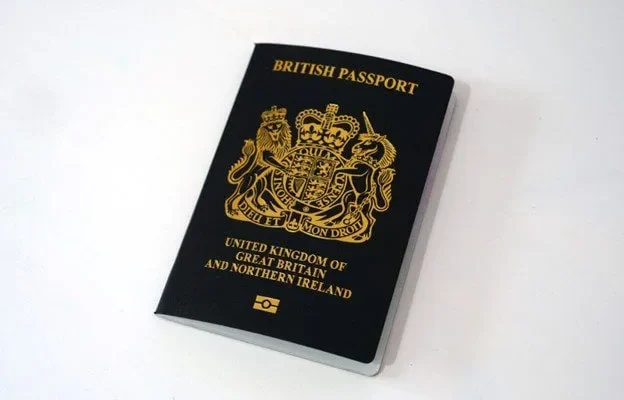
If you have acquired British nationality automatically then you can prove this by either applying for a British passport or by applying for a letter confirming your immigration status.
If you are under the age of 16 your guardian/parent will need to apply for a child’s passport on your behalf, if you are over the age of 16 then you will need to apply for an adult’s passport. You can apply for a passport either online or by post.
If you do not wish to apply for a passport then you can request a letter confirming your British citizenship status completing the online form available on the gov.uk website. Your letter cannot be used to prove your immigration status for work, immigration or travel purposes.
What Happens After You Submit a British Citizenship by Descent Application?
Once your application for British citizenship by descent has been submitted, it will be reviewed by UK Visas and Immigration (UKVI). The process involves several stages, and understanding what to expect can help you prepare.
Biometrics
After submitting your application, you will be asked to attend an appointment at a UK Visa and Citizenship Application Services (UKVCAS) service point in the UK, or an overseas biometric enrollment centre if you are applying from abroad, to provide your biometric information (your photograph and fingerprints).
You will receive instructions on how to book this appointment after submitting your application online, and in some cases, you may be able to use a mobile app instead of attending in person if the system offers you that option.
UKVI Assessment
Your application will then be assessed by a UKVI caseworker. They will review your supporting documents and check whether you meet the relevant nationality requirements for registration or recognition as a British citizen by descent, including any applicable residence, parental, or good‑character criteria. Citizenship by descent and registration applications are assessed individually, and UKVI may contact you or your legal representative if they need additional information or documents before making a decision.
Decision
If approved, you will receive a written decision confirming your registration as a British citizen; if 18 or over, you will need to attend a citizenship ceremony (with a separate fee) arranged by your local authority (in the UK) or British embassy/consulate (overseas) before it’s formally confirmed. If refused, you will get a notice explaining the reasons, and your decision letter will outline any options, such as administrative review, appeal, or a fresh application, depending on the grounds and type of decision.
Apply for a British Passport
Once you have become a British citizen, you can apply for a British passport as evidence of your status. This is the most common way people confirm and demonstrate their citizenship, and it is a separate application made to His Majesty’s Passport Office, with its own forms, checks, and fees. You can apply online or by post, and if you are under 16, a parent or guardian must apply on your behalf.
Application fees and process details are mostly right, but the specific figures and a few absolutes now need updating or softening.
British Citizenship by Descent Application Fees 2026: What Does It Cost?
The fees for applying for British citizenship by descent (a registration as a British citizen) depend on the type of application and the applicant’s age. The indicative fees below are based on Home Office rates in 2026 and may change, so you should always check the latest official fee table before applying.
- Adults (18 and over) — registration as a British citizen: £1,540
- Children (under 18) — registration as a British citizen: £1,000
- Citizenship ceremony fee (if a ceremony is required): £130 per adult, usually charged in addition to the main application fee
- Biometric enrolment: there is no Home Office fee to have your biometric information (fingerprints and a photograph) taken as part of a citizenship registration application — though certain premium UKVCAS appointment slots or enhanced services may carry a separate, optional charge.
How Long Does a British Citizenship by Descent Application Take? (2026 Timescales)
Most applications are decided within around 6 months, although processing times vary depending on complexity.
- Simple cases: Takes about 3-6 months after biometrics
- Complex cases (grandparents, old laws, 4C/4L): Often longer for historical checks
- No priority or fast-track service available
Applying for a British Passport After Obtaining Citizenship by Descent
Becoming a British citizen will entitle you the right to carry a British passport.
You will be able to apply for a passport as soon as you naturalise as a British citizen or immediately, if you are already a British citizen due to the circumstances of your birth and parentage.
You will normally need to provide a range of documents in order to prove your citizenship status, which will depend on where and when you were born and the citizenship status of your parents.
These documents may include (but not be limited to) items such as the following:
- Birth or adoption certificate
- Naturalisation or registration certificate
- Your foreign passport
- Parent’s birth certificate, Home Office certificate of registration or naturalisation, or British pasport
- Evidence of parent’s immigration status at time of birth
- Parents’ marriage certificate
- Other documents if you are in different circumstances
You can submit an application for a passport either online or by post.
UK Ancestry Visa vs British Citizenship by Descent: Which Route Applies to You?
If you do not qualify for British citizenship by descent, the UK Ancestry visa may provide an alternative route for Commonwealth citizens with a qualifying grandparent.
- Live and work in the UK for up to 5 years
- Leads to Indefinite Leave to Remain (ILR) after 5 years, then possible naturalisation
- Requires a grandparent born in the UK/Channel Islands/Isle of Man/Ireland (pre-1922)
- Must be 17+, intend to work, and support yourself
The Ancestry visa route is worth exploring if you are a Commonwealth citizen with a qualifying grandparent, and British citizenship by descent is not available to you. It provides a lawful, structured pathway to longer‑term residence and, if you meet the ILR and naturalisation requirements, a potential route to British citizenship in the future.
How Can Immigration Lawyers Help with British Citizenship by Descent Application?
Each case for British citizenship by descent is judged by UKVI on a case-by-case basis as UK nationality rules can be incredibly complex. If you feel you may have a claim British citizenship by descent or double descent, it is advised that you speak with an immigration specialist.
Our British citizenship lawyers can guide you through each stage of your enquiry or application process. They have assisted many individuals with their successful claims for British citizenship by descent and double descent. Our British citizenship lawyers have a wealth of experience in British citizenship by descent cases. Your personal british citizenship lawyer will work with you and your family to find the best route towards citizenship and manage your application. They will also assess your eligibility for British citizenship by descent or help you pursue other options, such as the UK Ancestry Visa.
For more information or to discuss your circumstances in regards to British citizenship by descent, make an enquiry today or call +44 (0)333 414 9244 now for a consultation. We have offices based in London, Manchester, and Birmingham, as well as in many other locations across the UK.
Table of Contents
Table of Contents will appear here.
Get clear, professional guidance for your immigration case.
Call us to discuss your case on +44 (0)333 414 9244.

Legal Disclaimer
The information provided is for general informational purposes only and does not constitute legal advice. While we make every effort to ensure accuracy, the law may change, and the information may not reflect the most current legal developments. No warranty is given regarding the accuracy or completeness of the information, and we do not accept liability in such cases. We recommend consulting with a qualified lawyer at Immigration Advice Service before making any decisions based on the content provided.
Frequently Asked Questions
Yes, you can claim British citizenship by descent grandparent if you meet certain UK nationality requirements. This process is called claiming double descent.
Double descent claims are usually taken on a case-by-case basis. However, there are guidelines put in place which you can follow if you are looking to claim British citizenship by descent through a grandparent.
The difference between citizenship by birth and citizenship by descent lies in how the citizenship is acquired and how far it can be passed on.
Citizenship by birth means a person becomes British automatically if they are born in the UK and at least one parent is a British citizen or has settled status at the time of birth. In contrast, citizenship by descent applies to people born outside the UK who inherit British citizenship from a parent who is already British. However, citizenship by descent is usually limited to one generation.
Having British grandparents does not usually give you an automatic right to British citizenship. The UK does not generally grant citizenship purely based on grandparents, but there are some exceptions and alternative routes.
It is not always the case that you are automatically a British citizen simply due to one or two of your parents being British citizens. You must also factor into account when you were born, the circumstances around your parents’ nationality status and other factors that may affect your automatic entitlement to British citizenship.
There are some instances where you may be entitled to a British passport due to being eligible for British citizenship by double descent. However, the situations that allow for this are complex and are highly dependent on a number of different criteria.
Typically, it is only possible to claim British citizenship by descent by going back as far as your grandparents. One generation further away from this (great-grandparents) will not normally be eligible to confer British citizenship onto you.

What our clients are saying



We are the UK’s leading immigration specialists

IAA Accredited UK Immigration lawyers

We’ve had over 25,000 applications approved

We are open Mon–Fri, 8:30am–8pm & Sat–Sun, 10am–4pm.
How our UK Immigration Lawyers can help
At the Immigration Advice Service our lawyers specialise in a wide range of UK visas, nationality and asylum applications and have represented clients in various successful complex and high-profile cases.
Get in Touch

Head Office:
Immigration Advice Service
Ashwood House, Ellen Street
Oldham, OL9 6QR, United Kingdom

Head Office Phone:
+44 (0)333 414 9244
We have over 12 offices across the world, find a branch near you.
Call us now at +44 (0)333 414 9244 or request a call back using the form below.
Related pages for your continued reading





In the news