Best Countries for Digital Nomads
Digital Nomads have a wide range of choices for countries to live and work in. We run through some of the best options available today in 2026.
For more information about travelling abroad for work, settling abroad or any other immigration query you might have, reach out to one of our advisers on +44 (0)333 414 9244 or reach out to us online today.
Read our 1983 reviews
We have helped over 25,000 people get their visas approved the first time
Complete the form below to request a call back

Digital Nomad Visa Countries
Digital Nomad visas have seen a sharp rise in popularity ever since Estonia launched the first ever official visa programme in 2020.
In response, dozens of countries have since offered some version of their own visa, and it is now estimated that around 60-70 countries around the world offer some form of visa programme aimed at digital nomads, with new ones being launched on a regular basis.
These countries span all around the world from the Americas, Europe, Asia and Oceania.
Broadly speaking, each individual Digital Nomad visa programme will share commonalities with others in terms of eligibility. You must normally have a contract of employment, a service contract or be providing freelance or consulting services to an employer or client who is not based in your host country.
You must also normally meet a minimum monthly or yearly salary requirement, have enough money to support yourself and your family during your stay, have adequate health insurance and also have suitable accommodation in your host country.
However, some visa programmes may slightly differ in their requirements from others.
Best Places for Digital Nomads to Work Remotely
When picking a country to live in as a digital nomad, there are a few considerations you should consider.
Firstly, you should carefully consider the tax situation in countries that offer Digital Nomad visas and if these will be suitable for your situation. Some countries will allow you to be exempt from, or have a discount for local resident taxes, while you may be subject to double taxation if you reside in other countries, depending on how each country treats residency status.
Secondly, you should consider the country itself and if it will be a suitable fit for you to live in. For instance, would you be able to easily find somewhere where you can comfortably work on a daily basis? Also consider the local culture, the weather and general cost of living implications.
You should also consider various Digital Nomad schemes themselves and the various benefits they offer. For instance, many EU visa schemes will also allow for free travel within the Schengen area, which may be a significant benefit if you wish to travel while working. Other visa schemes may also have fringe benefits, such as the ability to apply for permanent residency status in that country if you stay long enough.
Alongside this, you should also consider the individual cost of various visas and how long they will allow you to stay in that country. Some visas, such as Georgia’s, will be free to apply for, whereas countries such as Barbados will charge upwards of $2,000 just to apply.
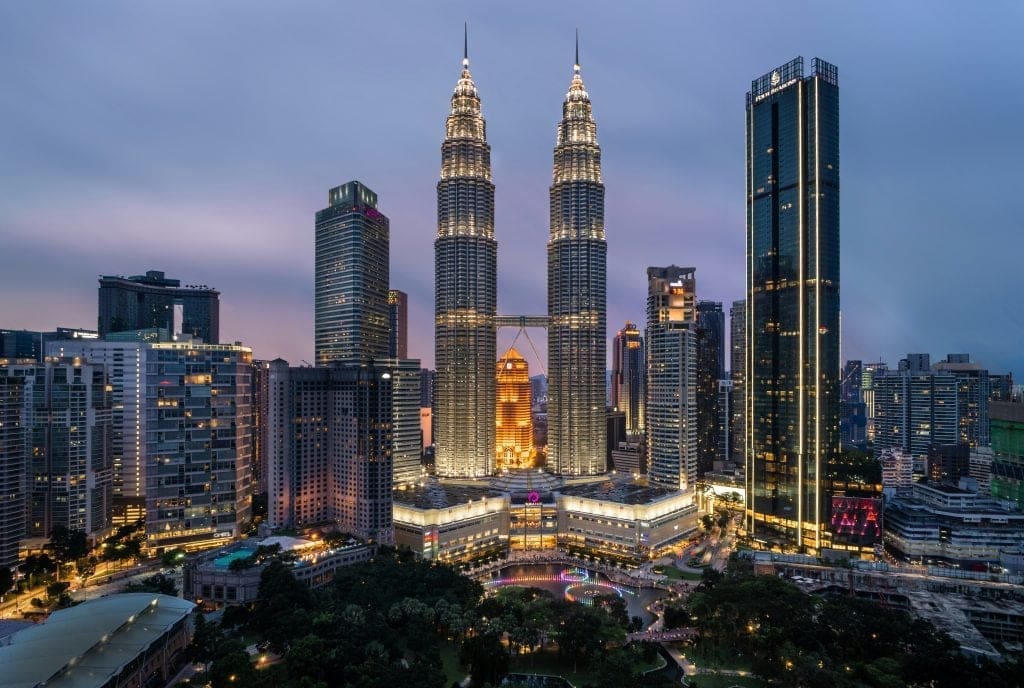
Malaysia
Malaysia is an often overlooked destination for digital nomads, but it has a host of benefits available for digital nomads looking to work there.
These include the opportunity to work in a country with a low crime rate, low cost of living, and access to co-working living and working spaces made for the sole use of digital nomads.
The Malaysian government also state on their website that digital nomads are eligible for additional benefits, such as access to special local services and discount vouchers.
For this reason, Malaysia is a significant up-and-coming country for digital nomads and other foreign workers, with the government eager to get more individuals in through the door to work using Malaysia as a base.
To be eligible for this visa, also known as the DE Rantau Nomad Pass, you must be a digital freelancer, independent contractor or remote worker working in an eligible profession. You must also have a yearly income of at least $24,000 USD (or $60,000 if you work in a non-tech role) and proof of financial self-sufficiency.
This visa will be valid for 3 to 12 months, with an option to extend it for another 12 months.
To apply, you should gather your supporting documents and apply online.
In regards to tax, you will not have to pay any tax on your income to the Malaysian government as long as you refrain from engaging in any business with Malaysian clients or businesses.
This visa costs RM 1,080.00 (approximately $241 USD) to apply for.
Estonia
Estonia is quickly gaining a reputation as being an attractive destination for digital nomads, with a fast-growing startup scene and an excellent reputation for IT and technology innovation and highly digitised public services available to residents.
For this reason, digital nomads should feel very much at home in a country that has invested so much into their national IT and technology infrastructure.
To be eligible for this visa, you must be earning at least €4,500 a month and have a valid employment contract, service contract or freelancing role with employers or clients abroad. You must show at least six month’s worth of bank statements to prove that you have enough funds to support yourself while in Estonia.
Applications for this visa can be made either in person at a Police and Border Guard office in Estonia, or at a licenced representative visa office, such as a VFS office.
This visa will allow you to stay in Estonia for up to one year and typically costs €100 to apply for.
In regards to tax, Estonia operates on the 183 days rule, which means that you won’t be liable to pay any income tax on your work if you stay for fewer than 183 days.
However, if you stay longer than this, you may be liable for a flat 20% tax on all income gained from your remote work while in Estonia.
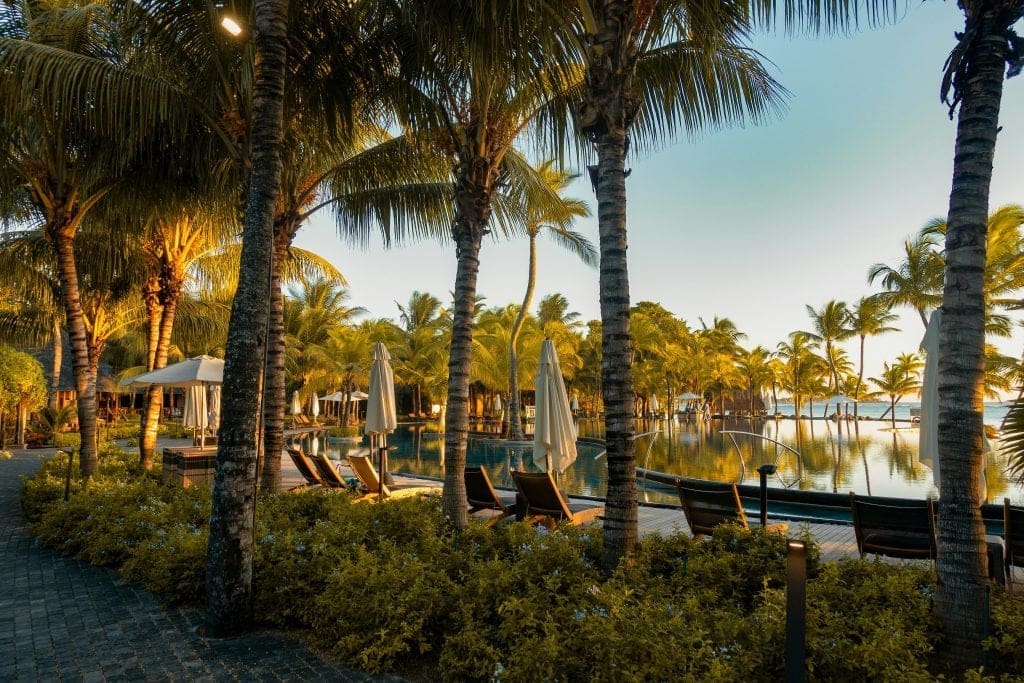
Mauritius
Similar to Malaysia, Mauritius is a sometimes overlooked destination for digital nomads, but is actually one of the most affordable digital nomad schemes in the world, with a low barrier for entry.
This allows a greater range of remote workers to take advantage of Mauritius’ tropical climate and relaxed pace of lifestyle.
However, Mauritius is a small island country that is relatively isolated from the rest of the world, which means that there is not yet a highly established culture or community of remote workers there; in addition, internet speeds may not be optimal, especially outside of larger towns.
To be eligible for Mauritius’ Digital Nomad visa, you must have a monthly income of at least $1,500 (with an additional $500 needed for any additional family member added to your application). You must also show proof of health insurance and adequate accommodation in Mauritius.
This visa will allow you to stay in Mauritius for one year, with the chance to extend it for a further year, if eligible.
Applications should be made online to the Mauritian government. Applications are normally processed within a matter of days.
The Mauritian Digital Nomad visa is free to apply for, which sets it apart greatly from other comparable schemes around the world.
You will not be liable to pay any tax on your income as a digital nomad in Mauritius for the first 183 days of your stay. However, you may have to start paying income tax after this time; there is a flat 15% tax imposed on both individuals and businesses in Mauritius.
Mexico
Mexico offers a unique experience for digital nomads with its distinct culture, rich history and welcoming locals. Mexico also benefits from reasonably fast internet speeds and also from being in a convenient time zone for digital nomads who regularly work with clients or employers in North America.
The cost of living can be reasonably low in Mexico also, rising slightly in urban areas such as Mexico City, but with the benefit of better infrastructure and internet speeds offsetting the cost.
The Mexican Digital Nomad visa has a slightly higher entry threshold than some other visas, with applicants needing to have at least $43,000 in savings for at least 12 months before applying, as well as around $2,600 in monthly earnings, which you must have earned for at least 6 months before applying.
You must also provide evidence of adequate health insurance and a clean criminal background history.
Applications for the Mexican Digital Nomad visa must typically be made at your local Mexican embassy or consulate. Applications may take up to several weeks to process, so it’s important to ensure that you have assembled your application and supporting documents properly when applying.
This visa costs $40 to apply for, with a temporary residence permit in Mexico costing between $150 and $350 depending on your length of stay.
You will typically not have to pay taxes on any income earned as a digital nomad in Mexico, although it’s recommended that you double-check with the local laws as some individuals situations may vary based on circumstances.
Italy
Italy’s Digital Nomad visa is one of the newest Digital Nomad visas in the world, having only launched in April 2024. It gives applicants and their family members the opportunity to live and work in Italy for periods of up to one year, with the possibility of renewal.
Italy has a growing community of digital nomads who are attracted to the country’s historic architecture, scenic countryside and excellent food scene. Italy’s Digital Nomad visa also carries with it the benefit of visa-free travel within the Schengen Area, which further opens up co-living and co-working opportunities throughout Europe.
To be eligible for this visa, you must earn at least €24,789 a year. You must also provide typical supporting documents such as proof that you are a remote worker, proof of adequate accommodation in Italy, and proof of health insurance.
You must also provide proof that you meet the qualifying professions requirement, which broadly requires you to either have a post-secondary degree or at least three years’ worth of training or experience in your field.
Applications for the Italian Digital Nomad visa can be made via your local Italian embassy or consulate. This visa costs €116 to apply for.
Typically, you will have to pay a flat 5% tax rate on any income earned as a digital nomad in Italy.

Japan
Launched in 2024, Japan’s Digital Nomad visa is a highly-anticipated visa scheme for digital nomads wishing to experience Japan for periods longer than the usual 90 days that the standard tourist visa allows.
This Digital Nomad scheme is set to be a popular one for itinerant digital nomads, as Japan is often ranked highly in terms of desirability as a travel destination. Its highly advanced technological society, unique culture and large opportunities for business networking and co-working also make this an attractive proposition for ambitious digital nomads looking to explore a new country.
However, the barrier for entry is fairly high, and the visa is quite restrictive in its period of validity.
For example, you must be from one of the eligible countries for the programme and earn at least 10 million JPY a year (approximately $65,907 USD). You must also provide a document outlining your planned activities and period of stay in Japan and show proof of health insurance.
This visa allows you to stay in Japan for a maximum of 6 months, which cannot be extended.
Japan’s Digital Nomad visa must be applied for at your local Japanese embassy or consulate, where you will submit your supporting documents and also possibly have to attend an interview.
You will likely not have to pay taxes on any income earned as a digital nomad in Japan, given that you will not have status as a resident there.
Portugal
Portugal is one of the most popular destinations in Europe for digital nomads given its enviable weather, beaches and friendly local community.
With this visa, you will also have access to visa-free travel across the Schengen Area, as well as an already established digital nomad community in its larger cities who have already taken advantage of Portugal’s relaxed culture and low cost of living.
Another significant benefit with this visa is that it allows its holders to eventually apply for permanent residency in the country if you stay for long enough.
To be eligible for this visa, you must earn at least €3,280 a month and have suitable accommodation. You must also be a non-EU/EEA citizen and have valid health insurance.
This visa allows you to stay in Portugal for a year at a time, with the possibility to extend. After five years, you may have the option to apply for permanent residency in Portugal if you meet the eligibility criteria.
The Portugal Digital Nomad visa must be applied for via your local Portuguese embassy or consulate. The application fee is €80, with an additional €75 – €90 fee for an entry visa.
You will be liable to pay tax in Portugal if you spend more than 183 days there, or if you are registered as a habitual long-term resident in Portugal as a digital nomad.
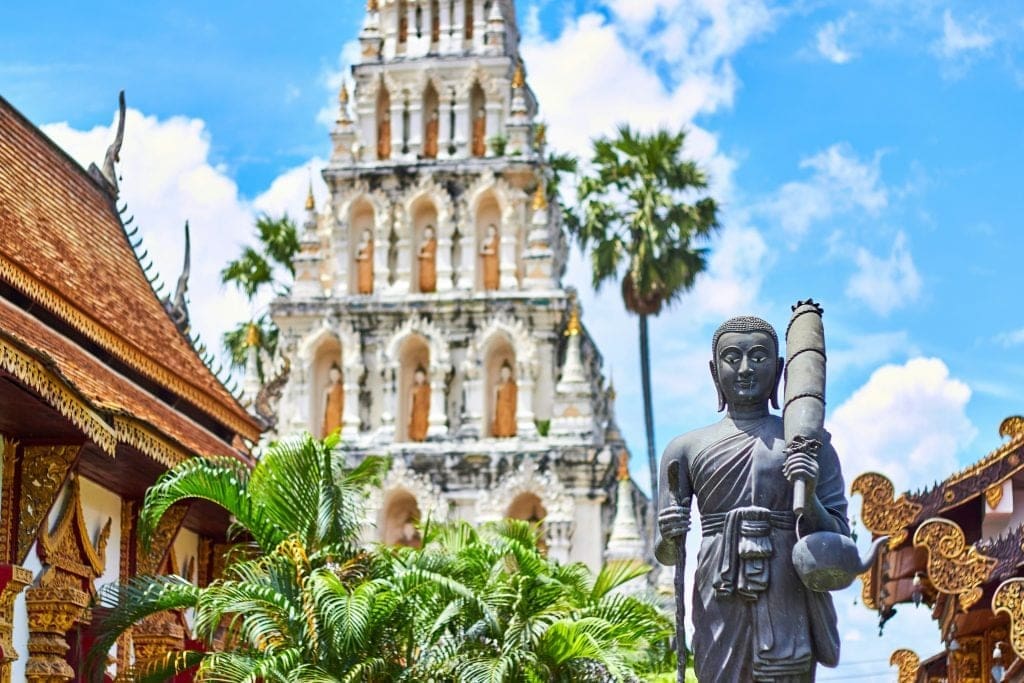
Thailand
One of the most desirable locations in the world for digital nomads, Thailand offers exceptionally low cost of living, a warm tropical climate and convenient proximity to a number of other countries in South-East Asia.
Thailand also has the benefit of an already established international community of digital nomads and expats residing there, particularly from the US. Destinations such as Chiang Mai have a
To be eligible for this visa, you must have at least 500,000 THB (approximately $14,458.65 USD) at the time of application to prove financial self-stability. You must also have accommodation in Thailand, adequate health insurance, and present a “professional portfolio” detailing your work history.
Thailand’s Digital Nomad visa also has a unique validity period that long-term travelling digital nomads may wish to take advantage of. This visa is valid for a total period of 5 years, with applicants being able to stay in Thailand for 180 days at a time.
Applications should be made to a local Thai embassy or consulate. The application fee is 10,000 THB (approximately $289.27 USD) and can take up to a few days to process, depending on your location.
If you spend more than 180 days in Thailand, you will start to be liable to pay income tax on your earnings as a digital nomad. How much you will have to pay depends on your level of income, but will generally vary between 5% and 35%.
How Can IAS Help?
Digital nomads have an enviable position of being able to travel almost anywhere in the world, as long as they manage to meet the requirements of their chosen country.
If you’re a digital nomad, freelancer, contractor or another kind of worker looking to move abroad short- or long-term, IAS can help.
We offer specialised advice and support for those looking to make the move to different countries, particularly helping with immigration law and border issues. We can assist if you’re unclear about how to navigate the immigration laws in your destination country, or if there’s a legal issue preventing you from travelling.
We can also help you secure different visas around the world if you’re a digital nomad looking to move between several countries in a short space of time.
For more information about the services we offer and what we can do for you, reach out to us on +44 (0)333 414 9244 or contact us online.
Table of Contents
Table of Contents will appear here.
Legal Disclaimer
The information provided is for general informational purposes only and does not constitute legal advice. While we make every effort to ensure accuracy, the law may change, and the information may not reflect the most current legal developments. No warranty is given regarding the accuracy or completeness of the information, and we do not accept liability in such cases. We recommend consulting with a qualified lawyer at Immigration Advice Service before making any decisions based on the content provided.
Services we Provide




Related Posts
US October 2026 Visa Bulletin: What Nigerian Green Card Applicants Should Know
Last modified on October 14, 2026 at 5:06 pm

UK Introduces New Immigration Rules: What Nigerians Need to Know
Last modified on October 14, 2026 at 5:05 pm

How to Avoid PERM Suspension Like Microsoft: HR Compliance Checklist
Last modified on October 13, 2026 at 7:57 am

Your Rights While in UK Immigration Detention
Last modified on October 8, 2026 at 5:25 pm

Temporary Protection Transition Scheme Ireland
Last modified on October 6, 2026 at 2:14 pm

New Passport Rule for UK-Ireland Travel on Ferries
Last modified on October 5, 2026 at 4:22 pm

Belgium: Flanders Introduces €180 Single Permit Fee
Last modified on September 17, 2026 at 3:37 pm
The UK Is Tightening Its Immigration Rules — What Nigerians Need to Know Before 2027
Last modified on September 18, 2026 at 10:29 am

France Tuition Fees 2026–2027: What Non-EU Students Need to Know
Last modified on September 17, 2026 at 3:27 pm