Entry-Exit System Implemented on 10 April 2026
The EU’s Entry-Exit System (EES) was officially implemented on 10 April 2026, marking a major shift in how non-EU travellers are monitored when crossing the external borders of the Schengen Area.
For help and expert advice on the Entry-Exit System (EES) and how to comply with it and avoid disruptions, contact us on +44 (0)333 414 9244 or reach out to us online today.
Read our 1983 reviews
We have helped over 25,000 people get their visas approved the first time
Complete the form below to request a call back

The EU’s Entry-Exit System (EES) was officially implemented on 10 April 2026, marking a major shift in how non-EU travellers are monitored when crossing the external borders of the Schengen Area.
The EES is a digital border management system designed to replace the traditional passport stamping process. It automatically records the entry and exit of third-country nationals travelling for short stays, capturing biometric data such as fingerprints and facial images alongside travel details. The system applies to travellers visiting the Schengen Zone for up to 90 days within any 180-day period.
This new system aims to improve border security, streamline border checks, and reduce identity fraud. By creating a centralized, real-time database, authorities can more easily detect overstayers—individuals who remain in the Schengen Area beyond their permitted time—and identify potential security risks. It also helps ensure more consistent enforcement of immigration rules across member states.
For travellers, the introduction of the EES means a different experience at the border. On first entry after the system’s rollout, non-EU visitors are required to register their biometric data. This may lead to slightly longer processing times initially, especially at busy airports and land crossings. However, subsequent trips are expected to be faster, as travellers’ data will already be stored in the system.
The EES is also expected to work alongside the upcoming European Travel Information and Authorisation System (ETIAS), which will require visa-exempt travellers to obtain travel authorization before entering the Schengen Area. Together, these systems represent a broader effort by the EU to modernize border control and enhance security while maintaining efficient travel flows.
Airports, ferry ports, and land borders across participating countries have spent months preparing for the launch, including installing new self-service kiosks and e-gates. Travellers are encouraged to follow instructions from border authorities and allow extra time for journeys during the initial implementation phase.
While the system is now live, authorities have indicated that a gradual rollout approach may be used in some locations to ease the transition. Travellers should stay informed about specific requirements at their point of entry.
Overall, the launch of the Entry-Exit System represents a significant modernization of EU border management. Although some short-term disruptions are expected, the long-term goal is a more secure, efficient, and reliable system for managing travel into and out of the Schengen Area.
How Can IAS Help?
IAS are able to work with individuals and businesses to comply with the new Entry-Exit System (EES) ensuring you and your family/colleagues have the correct permissions for travelling to the Schengen area.
At IAS, we can help with document checking and provide step-by-step guidance in making a successful application. Contact us at +44 (0)333 414 9244 or online to find out more.
Table of Contents
Table of Contents will appear here.
Legal Disclaimer
The information provided is for general informational purposes only and does not constitute legal advice. While we make every effort to ensure accuracy, the law may change, and the information may not reflect the most current legal developments. No warranty is given regarding the accuracy or completeness of the information, and we do not accept liability in such cases. We recommend consulting with a qualified lawyer at Immigration Advice Service before making any decisions based on the content provided.
Services we Provide




Related Posts

US October 2026 Visa Bulletin: What Nigerian Green Card Applicants Should Know
Last modified on October 14, 2026 at 5:06 pm

UK Introduces New Immigration Rules: What Nigerians Need to Know
Last modified on October 14, 2026 at 5:05 pm

How to Avoid PERM Suspension Like Microsoft: HR Compliance Checklist
Last modified on October 13, 2026 at 7:57 am

Your Rights While in UK Immigration Detention
Last modified on October 8, 2026 at 5:25 pm

Temporary Protection Transition Scheme Ireland
Last modified on October 6, 2026 at 2:14 pm

New Passport Rule for UK-Ireland Travel on Ferries
Last modified on October 5, 2026 at 4:22 pm

Belgium: Flanders Introduces €180 Single Permit Fee
Last modified on September 17, 2026 at 3:37 pm
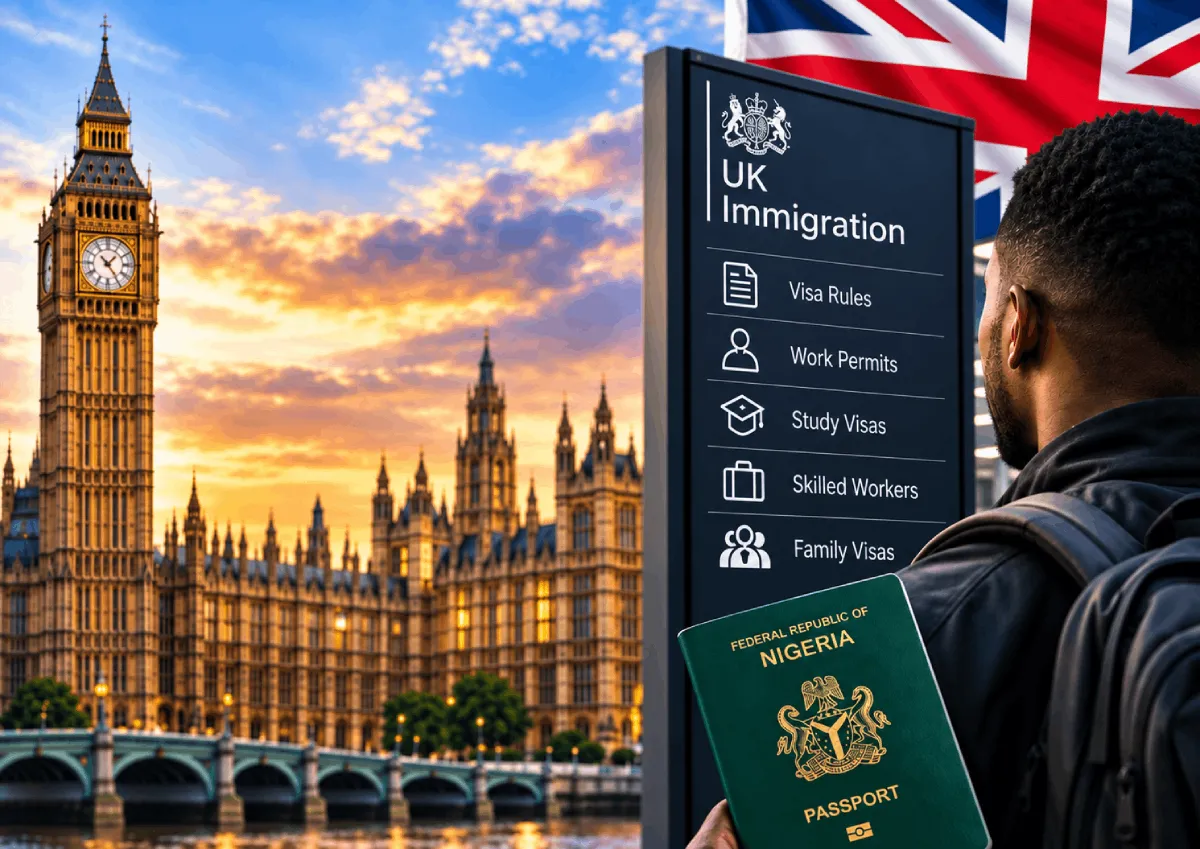
The UK Is Tightening Its Immigration Rules — What Nigerians Need to Know Before 2027
Last modified on September 18, 2026 at 10:29 am

France Tuition Fees 2026–2027: What Non-EU Students Need to Know
Last modified on September 17, 2026 at 3:27 pm