Citizenship by Descent Changes, New Quebec Plans, Asylum Ineligibility Bill and Other Canada Updates
June’s Canada immigration news includes changes to citizenship by descent requirements, new plans for Quebec immigration, a new asylum bill and more.
For help and expert advice on your Canadian immigration issue, please contact us on +1 844 312 4979 or reach out to us online today.
Read our 1983 reviews
We have helped over 25,000 people get their visas approved the first time
Complete the form below to request a call back

Eligibility for Citizenship by Descent Broadened in New Proposed Legislation
The Canadian government have introduced new legislation to broaden eligibility for Canadian citizenship by descent.
Known as Bill C-3, An Act to amend the Citizenship Act (2025), this new legislation will aim to:
- Automatically give Canadian citizenship to any person who would be a citizen were it not for the first-generation limit or certain outdated provisions of previous citizenship legislation
- Establish a new framework for citizenship by descent that would allow for access to citizenship beyond the first generation based on a Canadian parent’s substantial connection to Canada demonstrated by at least three years of physical presence in Canada prior to their child’s birth or adoption
In other words, the bill will aim to tackle the inability of most Canadian citizens who are citizens by descent to pass on citizenship to their child born or adopted outside Canada.
The bill is currently awaiting approval from both Houses of Parliament and to receive Royal Assent. IRCC have stated that as soon as these things occur, they will work “as quickly as possible” to bring the changes into effect and provide further information on what this may mean for individuals and their families.
Quebec Sets Out Immigration Plans for 2026 to 2029
The province of Quebec has announced new guidelines for its immigration intake over the next few years.
These include the following actions, introduced by Immigration Minister, Jean-François Roberge, and are effective immediately:
- Suspending the acceptance of applications under the Quebec Experience Program (PEQ) – Workers pathway to permanent residence to Nov 30, 2025
- Extending the suspension of the PEQ – Diplomes pathway to permanent residence to Nov 30, 2025
- Announcing the re-opening of the Skilled Worker Selection Program (PSTQ) in July, 2025
- Extending the suspension of intake for the Program for Refugees Abroad (Collective Sponsorship) to December 31, 2027
In addition to the above, the following actions have been proposed for Quebec:
- Establishing targets for temporary resident levels and reducing overall numbers of temporary residents
- Reducing the number of Quebec temporary foreign workers from 72,000 to 65,000, over four years, and reducing the number of temporary foreign workers in Montreal by 50%
- Prioritising existing temporary residents in Quebec for permanent residency
- Requiring temporary foreign workers to reach a minimum level of French language proficiency to be able to renew their work permits
Speaking in a press conference, Roberge also emphasised the importance of prioritising individuals with French language skills and who have already integrated into Quebec society, as well as addressing key labour shortages in the province.
The proposed changes will be finalised after a public consultation period due to end on 15 August.
Final plans, including overall admissions targets, are due to be published in October of this year.
New Bill to Tighten Asylum Claim Eligibility
New proposed legislation will make it much more difficult for refugees to claim asylum in Canada.
Known as Bill C-2, An Act respecting certain measures relating to the security of the border between Canada and the United States and respecting other related security measures, the legislation proposes to:
- Make an individual ineligible to claim asylum if they entered Canada after 24 June 2020 and made their claim more than a year after their date of entry
- Make an individual ineligible to claim asylum if they crossed into Canada from the US outside of an official port of entry
- Grant the Governor in Council new rights to disallow, cancel or suspend certain asylum applications or asylum documents if they believe it would be within public interest to do so
The bill also includes a number of other immigration provisions relating to the processing of asylum applications in Canada, including increased powers to immigration officials and the Immigration Minister when considering applications for asylum.
The bill is currently awaiting approval from the Houses of Parliament and Royal Assent before it will be eligible to be passed into law.
Economic Mobility Pathways Pilot was Extended to December 2025
IRCC have announced that the Economic Mobility Pathways Pilot (EMPP) was be extended to 31 December 2025 in order to allow greater numbers of refugees and other vulnerable individuals to help fill labour shortages in Canada.
According to IRCC, over 970 individuals have successfully immigrated to Canada via the EMPP since its introduction in 2019, filling roles in key sectors such as healthcare, construction and food service.
With this extension, the overall annual cap of applicants in 2025 was 950.
To be eligible to immigrate to Canada through the EMPP, candidates must be living outside Canada and prove their status as a refugee, person of concern or temporary protected status. They must also fulfil a variety of work experience, language and education criteria, depending on which specific stream of the EMPP they wish to apply for.
How Can IAS Help With Your Canadian Immigration Application?
IAS have a team of immigration consultants and caseworkers experienced in the field of Canadian immigration.
Our CICC-qualified immigration consultants can help you with numerous facets of Canadian immigration, including skilled worker, family, student or provincial-based immigration.
We can also give close guidance and support on Express Entry and the CRS, helping you to maximise your chances of being accepted for one of Canada’s prestigious immigration programmes.
Don’t hesitate to reach out for help on your situation today. Call us on +1 844 312 4979 or reach out to us online.
Table of Contents
Table of Contents will appear here.
Legal Disclaimer
The information provided is for general informational purposes only and does not constitute legal advice. While we make every effort to ensure accuracy, the law may change, and the information may not reflect the most current legal developments. No warranty is given regarding the accuracy or completeness of the information, and we do not accept liability in such cases. We recommend consulting with a qualified lawyer at Immigration Advice Service before making any decisions based on the content provided.
Services we Provide




Related Posts

US October 2026 Visa Bulletin: What Nigerian Green Card Applicants Should Know
Last modified on October 14, 2026 at 5:06 pm

UK Introduces New Immigration Rules: What Nigerians Need to Know
Last modified on October 14, 2026 at 5:05 pm

How to Avoid PERM Suspension Like Microsoft: HR Compliance Checklist
Last modified on October 13, 2026 at 7:57 am

Your Rights While in UK Immigration Detention
Last modified on October 8, 2026 at 5:25 pm

Temporary Protection Transition Scheme Ireland
Last modified on October 6, 2026 at 2:14 pm

New Passport Rule for UK-Ireland Travel on Ferries
Last modified on October 5, 2026 at 4:22 pm

Belgium: Flanders Introduces €180 Single Permit Fee
Last modified on September 17, 2026 at 3:37 pm
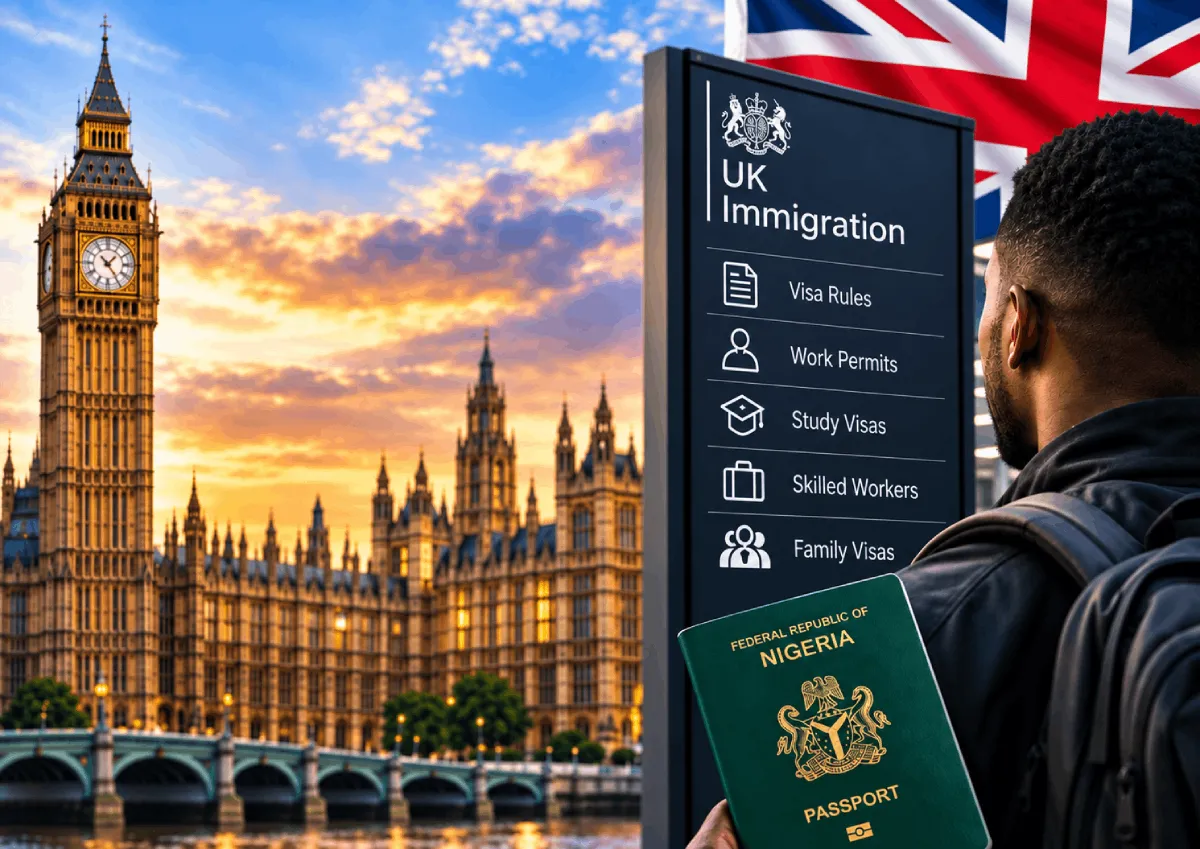
The UK Is Tightening Its Immigration Rules — What Nigerians Need to Know Before 2027
Last modified on September 18, 2026 at 10:29 am

France Tuition Fees 2026–2027: What Non-EU Students Need to Know
Last modified on September 17, 2026 at 3:27 pm