Mahmood Unveils ILR Reform Plans on 2 Nov 2026: What Does It Mean for You?
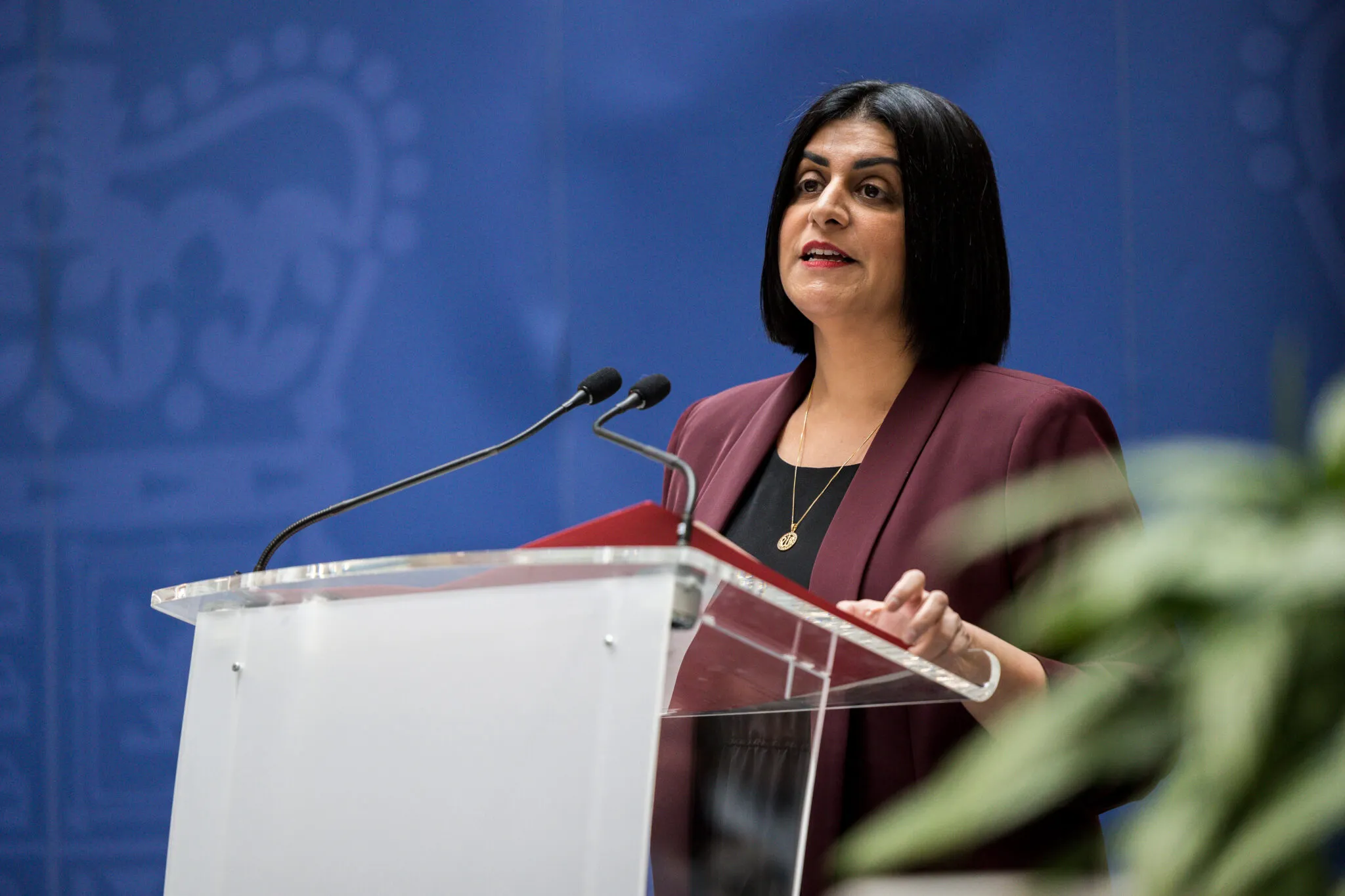
Home secretary Shabana Mahmood announced her reform plans around indefinite leave to remain (ILR) today at the House of Commons, reiterating that “settlement must be linked to contribution”.
To understand how these reforms affect you and how you can get most out of this new scenario, call IAS on +44 (0)333 414 9244 today. Our specialist UK immigration lawyers are here to help.
Read our 1983 reviews
We have helped over 25,000 people get their visas approved the first time
Complete the form below to request a call back

Reforms Proposed on 2 Nov 2026 in the House of Commons: Key Points
Here are the key points of Mahmood’s ILR reform plan as announced today:
- A faster three-year route for those making “exceptional” contributions (such as those taxpayers who earn over over £125,141 annually) and highly skilled migrants who are on routes such as the Global Talent and Innovator Founder
- A five-year path to settlement remains open to all who earn a salary over £50,271 per year and public service workers such as doctors, nurses and teachers who have made contributions in healthcare and education
- Care workers who have met their visa conditions, have earned at least £25,000 per year and have arrived in the UK before May 2025, will be eligible for ILR after five years (not 15 years as proposed earlier)
- Refugees coming to the UK via safe and legal routes will earn ILR in five years, same as the high-earners
- The default qualifying period will be 10 years for those not captured by the abovementioned exceptions
- Any immigration breach will extend the qualifying period to 20 years. The same also applies to those who claim certain benefits in the UK
- Refugees who came via illegal crossings will also have to wait for 20 years, even if they work or study in the UK
- The wait will be further extended to 30 years for those refugees entering the UK by small boats and who do not work or study here
As many commentators hinted on both the mainstream and social media channels recently, Mahmood didn’t go ahead with her previous proposal to increase the qualifying period three times to 15 years for the care workers.
In fact, the Home Secretary assured that settlement will still be available to low-income workers, provided they continue to show a sustained contribution to the country. They will be able to renew their existing temporary visas until the 10-year point.
“As expected, care workers will not have to wait for 15 years to claim ILR. However, we must note that the retrospective nature of these reforms is still in place, signalling a far-reaching impact for both migrants and UK employers who rely on foreign skilled workers to meet the domestic shortage.”
— Ono Okeregha, Director of the Immigration Advice Service
Mahmood has also announced today what the current UK government considers to be disqualifying criteria for settlement, namely:
- A criminal record
- Failure to speak English to a high standard
- Any unpaid debt
- Failure to make national insurance (NI) contributions
Indefinite leave to remain (ILR) is an immigration status where foreign nationals can live and work, study, or run their own business in the UK with no time limit. They can also access UK public funds like welfare benefits. It is also called settlement in the UK and is similar to permanent residency in other countries.
How Do the Proposals Impact You?
If you already living in the UK on a settlement route, how Mahmood’s proposals as announced today impacts you depends on your earning level, your immigration status and also in some scenarios when you entered the country.
For example, if you are a Skilled Worker working in the private sector and earning less than £50,271 a year, your qualifying period for ILR has now increased to 10 years, a 100% increase from the previous five years.
On the other hand, if you are a care worker who entered the UK before 2025 and are earning at least £25,000 a year and meeting your visa conditions, you will be able to apply for ILR after five years as previously. Social care workers who earn less and/or have not fulfilled their visa conditions, will have to wait for 10 years to apply for ILR though even if they arrived in the UK before May 2025.
They will, however, will be offered a “second chance”, meaning they will be allowed to apply for another five-year visa providing them a chance to qualify after 10 years.
The changes announced by Mahmood will not need new legislation but can be made through a Statement of Changes to the Immigration Rules UK.
From November 2025 to November 2026: What Changed?
Mahmood’s November 2025 proposals suggested a 100% increase in the qualifying period for indefinite leave to remain (ILR) for most work visa routes, i.e., from five to 10 years. For care workers, she further proposed to triple the waiting period to 15 years.
The Home Secretary further warned in a March 2026 speech that around 350,000 low-skilled workers and their dependants would qualify for settlement over the next five years and be eligible to access public benefits in the UK, given the record post-Brexit net migration figures under the previous Conservative government. She pointed out that this could cost £10 billion of taxpayers’ money according to the Migration Advisory Committee data.
However, the situation significantly changed since. The UK now has a new Prime Minister who has historically taken more liberal positions than many of his Labour colleagues on the issue of immigration (although recalibrated his position during the Makerfield campaign). The electoral threat from Nigel Farage’s Reform UK has also somewhat receded.
Mahmood also faced opposition from her colleagues within the Labour Party on her proposed ILR reforms, especially over applying them retrospectively on migrants already in the UK, with Housing Secretary Angela Rayner calling the proposal to apply the rules retrospectively “un-British”). Trade unions have also been urging the Labour government since to soften its stance on this issue.
Most importantly, net migration is visibly falling, and it’s falling fast. The Office for Budget Responsibility (OBR) has revised the net migration forecast in their October 2026 report, which is down from the March 2026 forecast numbers. The October forecast is projecting ~100,000 net migration for 2027.
Call IAS Now to Discuss Your Situation
Whether you are already in the UK in line to submit your ILR application or planning to migrate and eventually settle in the country, consulting an immigration lawyer has become extremely important. Now more than ever.
The UK immigration rules are rapidly tightening, focusing more and more on attracting the right talent to boost up the economy and finding ways to lessen any additional pressure on the public exchequer. You must plan ahead to accommodate these changes and understand how you can leverage the changed scenario to get the most out of it.
We are a team of the UK’s leading immigration specialists. Our team of immigration lawyers and advisers at IAS can assess your eligibility for ILR, advise you on how to shorten your qualifying period by contribution and integration, and explore if there’s any other way for you to expedite your settlement.
We can also help you prepare a comprehensive ILR application and help you gather evidence that can further reinforce your application.
With IAS, your personalised legal help is just a phone call away. Call us on +44 (0)333 414 9244 now to speak to an immigration lawyer.
Table of Contents
Table of Contents will appear here.
Legal Disclaimer
The information provided is for general informational purposes only and does not constitute legal advice. While we make every effort to ensure accuracy, the law may change, and the information may not reflect the most current legal developments. No warranty is given regarding the accuracy or completeness of the information, and we do not accept liability in such cases. We recommend consulting with a qualified lawyer at Immigration Advice Service before making any decisions based on the content provided.
Services we Provide




Related Posts

Indefinite Leave to Remain Advice
Shabana Mahmood’s Nov 2026 Proposals on ILR Reform
Last modified on November 2, 2026 at 5:54 pm
Shabana Mahmood to Announce ILR Changes Today: What to Expect
Last modified on November 2, 2026 at 2:42 pm

UK Immigration Salary List Closes on 31 December 2026
Last modified on October 28, 2026 at 3:02 pm

US November Visa Bulletin Advances Green Card Cut-Off Dates
Last modified on October 26, 2026 at 8:12 am

Canada’s Demographic Shift Puts Immigration’s Economic Role in Focus
Last modified on October 26, 2026 at 8:01 am

US October 2026 Visa Bulletin: What Nigerian Green Card Applicants Should Know
Last modified on October 14, 2026 at 5:06 pm

UK Introduces New Immigration Rules: What Nigerians Need to Know
Last modified on October 14, 2026 at 5:05 pm

How to Avoid PERM Suspension Like Microsoft: HR Compliance Checklist
Last modified on October 13, 2026 at 7:57 am

Your Rights While in UK Immigration Detention
Last modified on October 8, 2026 at 5:25 pm